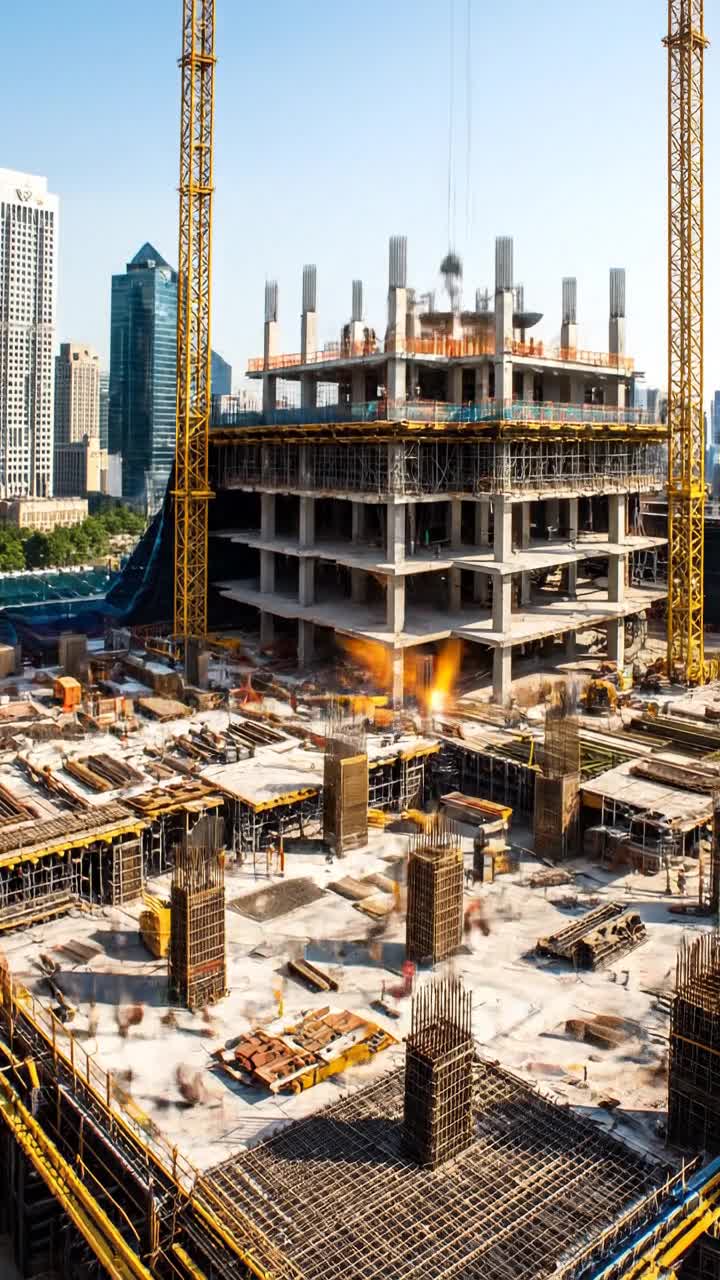
🛠️ 📈 💻 How AI Capabilities Are Fuelling the Next Generation of Construction
The construction industry is at a turning point. Long known for complexity, tight margins, and safety risks, it is now being reshaped by artificial intelligence (AI), which is emerging as a core driver of efficiency, safety, and innovation rather than just an add-on.
From project planning to sustainability, AI is helping companies reimagine how buildings are designed, constructed, and managed.
One of the most powerful applications is predictive planning. By analyzing data from past projects, weather patterns, and supply chain performance, AI can forecast risks, suggest better scheduling, and identify bottlenecks before they occur. This ability to anticipate problems reduces costly delays and keeps projects on track.
On the ground, AI-powered computer vision is transforming site monitoring, spotting hazards in real time, and detecting quality issues such as material defects or deviations from design specifications. Combined with drones and sensors, it enables more precise and proactive management of both safety and quality.
AI is also proving invaluable in resource optimisation. Smarter procurement and material tracking reduce waste and cut costs, while generative design tools allow architects and engineers to create structures that use materials more efficiently and deliver better energy performance. These capabilities support not only the bottom line but also the growing push for sustainability and regulatory compliance, as buildings face tougher carbon and efficiency standards worldwide.
At the same time, AI is changing how teams collaborate. Intelligent dashboards, digital twins, and BIM integrations make it easier for project managers, engineers, and stakeholders to access and interpret vast amounts of project data. Instead of working with fragmented information, teams can make data-driven decisions in real time, improving both speed and accuracy.
Of course, the path is not without challenges.
Many companies still struggle with fragmented data systems, skills gaps, and the cultural shift required to adopt new technologies. Upfront investment can be significant, and privacy considerations around worker monitoring must be carefully managed. Yet the long-term gains are clear: reduced risk, improved safety, stronger margins, and faster delivery.
Ultimately, AI in construction is about more than efficiency. It’s about reshaping how we build cities, homes, and infrastructure for the future. Companies that embrace these tools now will gain not only a competitive advantage but also the opportunity to lead an industry on the cusp of reinvention.
Originally posted on LinkedIn