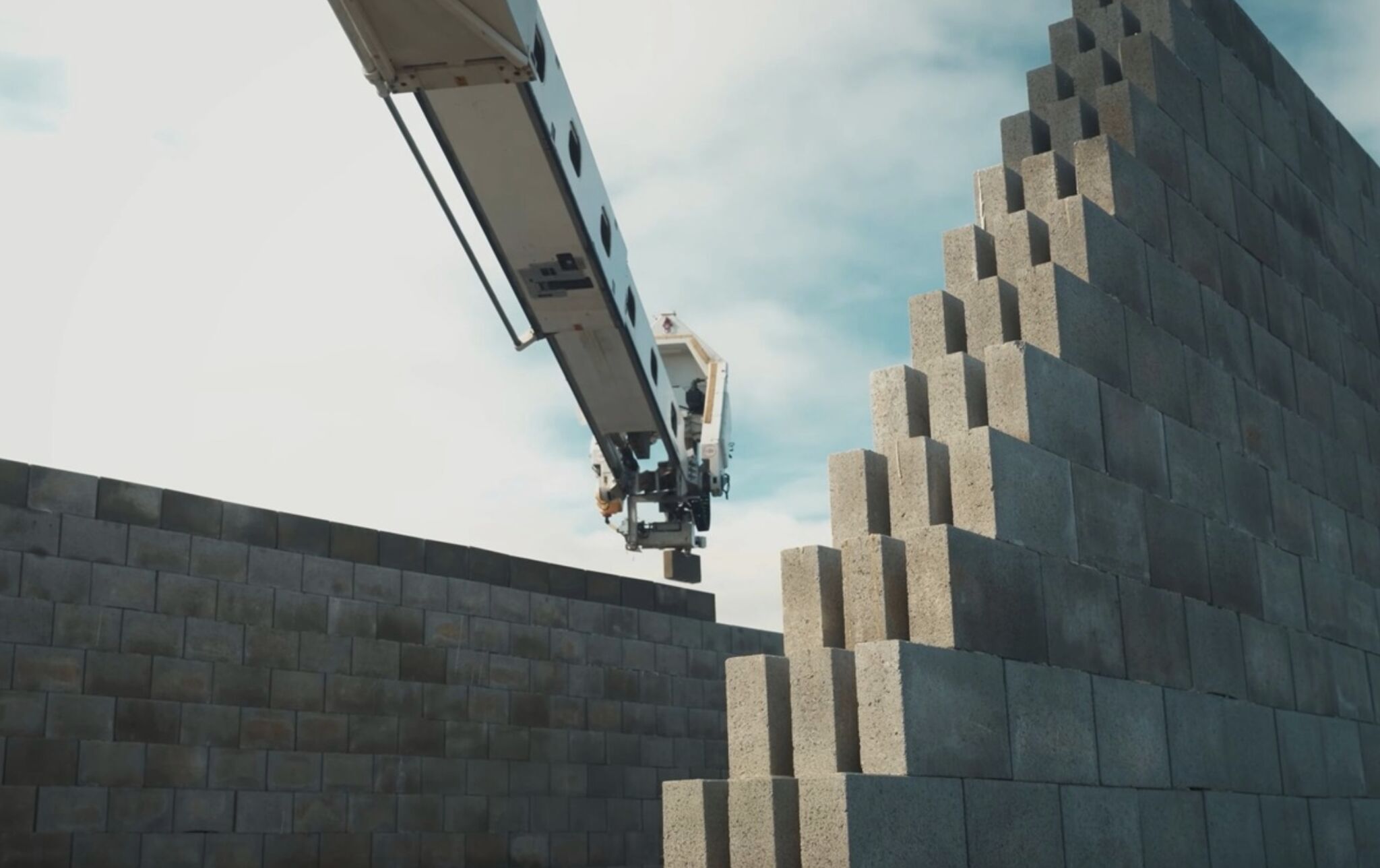
🇦🇪 🤖 Dubai Sets Its Sights on the World’s First Fully Robotic Villa
Dubai has launched a global challenge that could mark a decisive turning point for the construction industry, the development of the world’s first residential villa built entirely using robotic construction systems.
Announced by Dubai Municipality, the initiative is not positioned as a conceptual experiment, but as a practical test of how automation, robotics and advanced construction technologies can be deployed at residential scale. In doing so, Dubai is addressing one of the built environment’s most persistent questions, how to build faster, smarter and more sustainably without compromising quality.
Why Robotics, and Why Now?
Globally, construction remains one of the least digitised major industries, facing mounting pressure from labour shortages, rising costs, extended delivery timelines and increasing sustainability requirements. Dubai’s challenge directly engages with these constraints, positioning automation not as a novelty, but as an operational necessity. By inviting international technology firms, research institutions and innovators to participate, the initiative seeks to accelerate the transition from manual, labour-intensive processes toward precision-led, automated building systems.
From Experiment to Ecosystem
The challenge coincides with the launch of the Construction Innovation and Research Centre, known as 04 ConTech Valley, at Expo City Dubai. The centre is designed to serve as a permanent hub for testing materials, robotics, AI-driven systems and next-generation construction methods — reinforcing that this project is part of a broader, long-term strategy rather than a one-off milestone.
More than 25 local and international entities are expected to contribute to the programme, underscoring Dubai’s intent to build a globally connected construction innovation ecosystem.
Implications Beyond a Single Build
While the immediate output is a single villa, the implications extend far beyond one structure. If successful, the project could provide a scalable blueprint for:
- Automated residential construction
- Improved build accuracy and quality control
- Reduced waste and environmental impact
- Safer, less labour-dependent construction sites
A Signal to the Global Market
Dubai’s approach is characteristic of the emirate, ambitious, highly visible, and strategically aligned with long-term urban and economic planning. Rather than waiting for construction automation to mature elsewhere, the city is actively positioning itself as a testing ground for what may become the next global standard.
As cities worldwide grapple with housing demand, workforce constraints and sustainability targets, the question is no longer whether construction will change, instead, where the most credible models for that change will emerge and Dubai appears intent on being one of those places.
#UrbanInnovation
#ConstructionTechnology
#SmartCities
#RoboticConstruction
#Dubai
Originally posted on LinkedIn