Australia’s $12.6 Trillion Property Market Is Cooling, But Not Collapsing
After years of relentless growth, Australia’s housing market is no longer moving in one direction.
Prices are softening in the largest cities, but this isn’t a downturn. It’s a transition into a more fragmented, late-cycle market.
Here’s what’s actually happening:
→ Sydney and Melbourne begin to slip
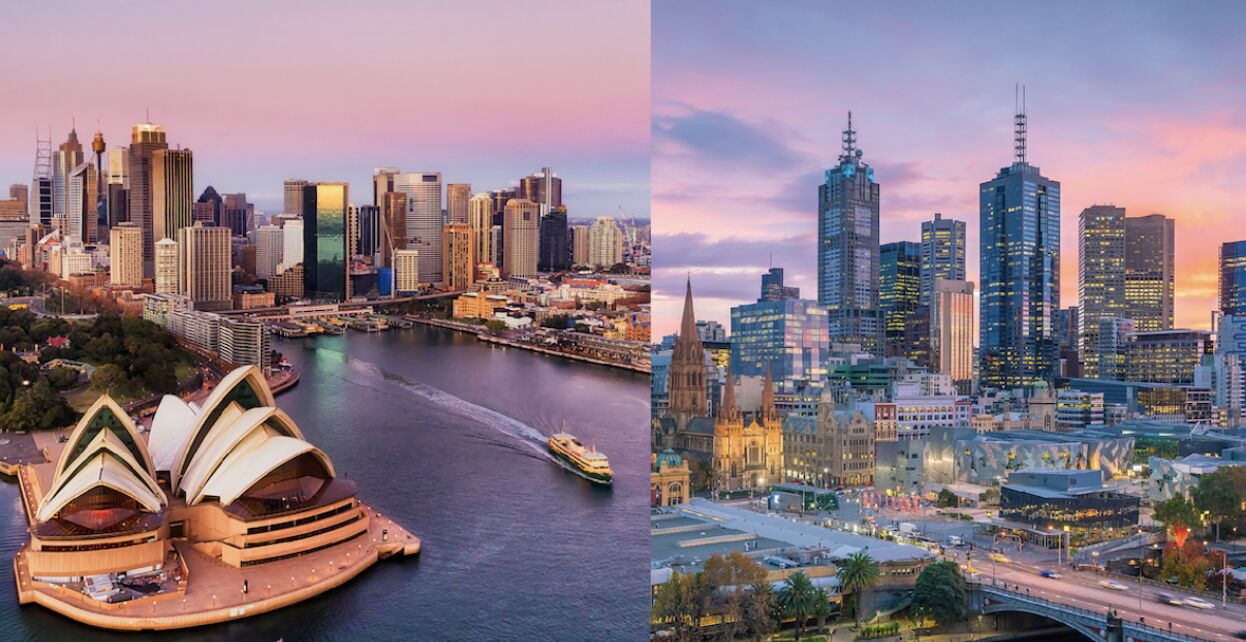
Australia’s two largest markets are now leading the slowdown. Price declines are emerging, auction performance is weakening, and buyers are negotiating harder.
This isn’t a sharp correction, but momentum has clearly shifted. Affordability ceilings and higher borrowing costs are starting to bite.
→ A two-speed market is taking shape
This is less about decline, more about divergence.
While Sydney and Melbourne soften, Perth, Brisbane and Adelaide continue to grow, supported by affordability and tighter supply. Even within cities, lower price points are holding, while premium segments lose pace.
The market is no longer moving in sync.
→ Interest rates and confidence are driving the shift
This isn’t an oversupply story, it’s demand pressure.
Higher interest rates are reducing borrowing capacity, and economic uncertainty is impacting buyer confidence. The result is fewer competitive auctions, slower transactions, and more cautious decision-making.
At the same time, fundamentals remain intact. Population growth and undersupply continue to underpin long-term demand.
The real shift?
This is no longer a uniform growth story.
Australia’s market is becoming more selective. The opportunity is still there, but it now depends on strategy, timing, and asset choice.
Not all markets are falling, but not all markets are rising anymore.
#RealEstate #PropertyMarket #AustraliaProperty #HousingMarket #PropTech
Originally posted on LinkedIn