🏛️ 🌅 Architecture & Design Predictions for 2050
As we look ahead to 2050, architecture is stood at a turning point. The next 25 years will redefine not only how buildings look, but how they function, respond, and sustain life. Drawing on insights from Rethinking The Future, here’s what the next era of architecture and design might hold.
Sustainability as the Core Imperative
Sustainability is shifting from an aesthetic choice to the foundation of architectural intent. Traditional methods like concrete-heavy construction are giving way to energy-efficient materials, circular systems, and climate-responsive design. Architecture of the future won’t just minimise harm, it will actively regenerate environments and enhance human wellbeing. The focus will be on how spaces breathe, consume, and coexist with nature.
Parametric Design & Digital Fabrication
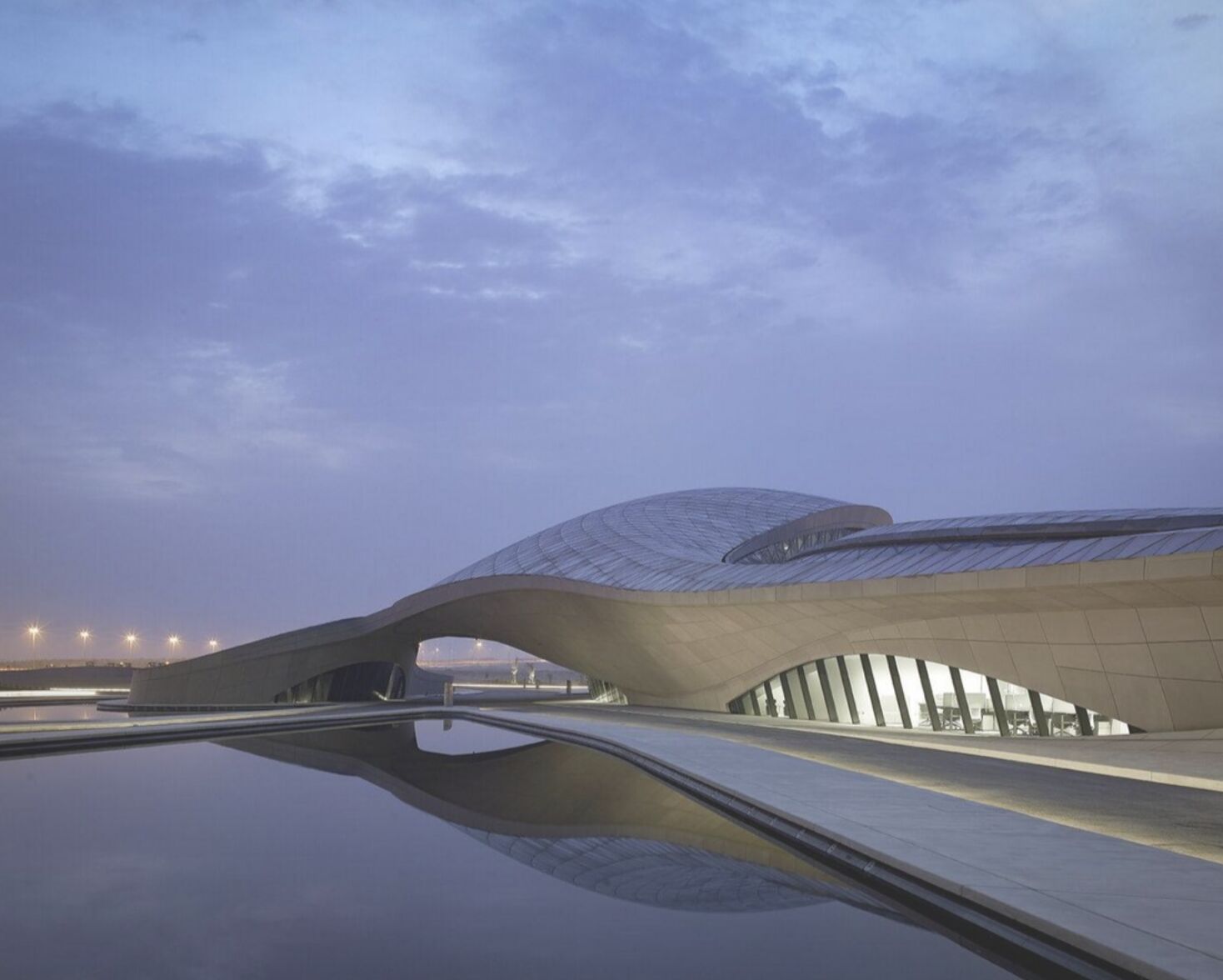
Design is becoming data-driven. Parametric and computational tools are transforming how architects approach form and function, creating structures that adapt to sunlight, airflow, and movement. This isn’t just a visual shift but a mindset change — where design and code meet to create smarter, more efficient environments. Digital fabrication will further blur the line between design and construction, allowing for precision, creativity, and sustainability to coexist.
3D Printing & Additive Construction
3D printing is rapidly emerging as one of the most transformative forces in construction. By reducing waste and streamlining processes, it’s making housing more accessible and efficient. Entire neighbourhoods could one day be printed rather than built brick by brick, reshaping how we think about affordability, speed, and material innovation. The question is not if, but when this will become mainstream.
Flexible & Multi-Functional Spaces
Our lifestyles have evolved and so must our spaces. Homes that shift between living and working, buildings that adapt to new uses, and cities that repurpose their own structures will define the decades ahead. Architecture will become more fluid, creating environments that can change with time, purpose, and people. Designing for flexibility will be as important as designing for beauty.
The Human & Environmental Convergence
The future of architecture lies at the intersection of humanity and ecology. Beyond form and function, buildings will be judged by how they make people feel, how they promote health, foster connection, and protect the planet. The most successful designs will be those that harmonise technology and nature to serve both people and place.
By 2050, architecture will be as much about intention as innovation,guided by sustainability and designed for adaptability. For those in real estate, design, or development, this evolution offers opportunity to build not just for now, but for a future that’s resilient, responsive, and human at its core.
Originally posted on LinkedIn